
Hear from Our Customers
You’ve noticed the smell. Maybe someone in your house has been dealing with allergies that won’t quit, or you’ve spotted discoloration in the basement. The problem is, you don’t know how bad it is—or where it’s actually coming from.
That’s where professional mold testing comes in. Not a guess. Not a visual once-over. Real data from air samples, moisture mapping, and thermal imaging that shows you what’s happening behind your walls, under your floors, and in your HVAC system.
You get a clear picture of what you’re dealing with. No scare tactics. No upselling. Just the facts you need to make a smart decision about your home and your family’s health.
We’ve been testing and treating mold in Durham, PA since 1995. Over 5,000 projects across Bucks County. We’ve seen what happens when mold gets ignored, and we’ve helped hundreds of families get ahead of it before it becomes a bigger problem.
We’re not the company that shows up, waves a flashlight around, and tells you everything’s fine. We use thermal cameras, moisture meters, and lab-tested air sampling because that’s what it takes to find mold in the places it hides—attics, crawl spaces, behind drywall, under sinks.
Durham’s humid summers and damp winters create perfect conditions for mold growth. We know the homes here. We know the basements that flood. We know which neighborhoods deal with drainage issues. That local knowledge matters when you’re trying to protect your investment.
First, we walk through your home and talk about what you’ve noticed—odors, water damage, health symptoms, visible growth. That conversation matters because it tells us where to focus.
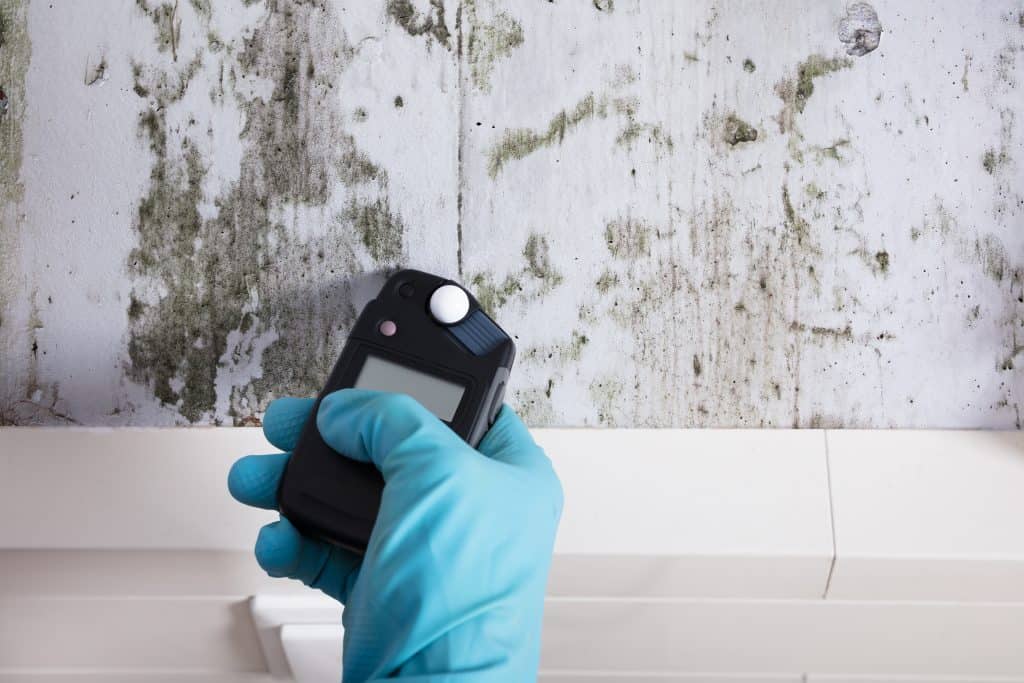
Then we start testing. We use thermal imaging to detect temperature differences that indicate moisture behind walls. We map out humidity levels in every room. We take air samples from multiple locations and send them to a certified lab for analysis. If there’s visible growth, we take surface samples using tape lifts or swabs.
The equipment matters here. Laser particle counters pick up spore concentrations you’d never see with your eyes. Moisture meters tell us if conditions are right for mold to grow, even if it hasn’t shown up yet.
Once the lab results come back, we sit down with you and explain what we found. You’ll see exactly where the mold is, what type it is, and how much of it is in your air. From there, we map out a remediation plan—or, if the results show you’re in the clear, we tell you that too.
Ready to get started?
You’re not just getting someone to look around and take a guess. You’re getting a full diagnostic workup of your home’s air quality and moisture conditions.
That includes thermal imaging to find hidden water intrusion, infrared moisture mapping to locate damp spots in walls and ceilings, air sampling from multiple rooms to measure spore levels, and surface testing on any visible growth. We also inspect high-risk areas like basements, attics, crawl spaces, bathrooms, and HVAC systems.
In Durham, PA, older homes are especially vulnerable. Fieldstone foundations, poor ventilation, and aging plumbing create the kind of damp environments where mold thrives. If your home was built before 1980, or if you’ve had any kind of water damage—leaking roof, burst pipe, basement flooding—you’re at higher risk.
The testing process is non-invasive. We’re not tearing into your walls unless we have a reason to. And the results give you something concrete to work with—whether that’s moving forward with remediation, addressing a moisture problem, or just knowing your air quality is fine.
Most residential mold inspections in Durham, PA run between $300 and $600, depending on the size of your home and how many samples need to be tested. If you’ve got a smaller home and we’re only testing a couple of rooms, you’re on the lower end. Larger homes with multiple levels, finished basements, or suspected contamination in several areas will cost more.
Lab analysis is usually included in that price. Air samples get sent to a certified lab, and you’ll get a detailed report showing spore types and concentrations. Some companies charge separately for lab work—we don’t.
If you end up moving forward with remediation, we’ll credit the inspection cost toward the job. And if you’re testing because of a real estate transaction, make sure the inspector is independent and not tied to a remediation company. You want objective results, not a sales pitch.
You can, but you’re probably not going to get useful information. Most DIY kits test for the presence of mold spores—which exist in every home, all the time. Finding spores doesn’t tell you if you have a problem. It just tells you that you live in a building.
What matters is the type of mold and the concentration. Some molds are harmless. Others, like black mold (Stachybotrys), produce toxins that can cause serious health issues. A DIY kit won’t tell you the difference.
Professional testing uses calibrated equipment and lab analysis to measure spore levels in your air and compare them to outdoor baseline levels. If your indoor counts are significantly higher, that’s a red flag. We also use thermal imaging and moisture meters to find hidden growth that a petri dish sitting on your counter will never detect. If you’re serious about knowing what’s in your home, a DIY kit isn’t going to cut it.
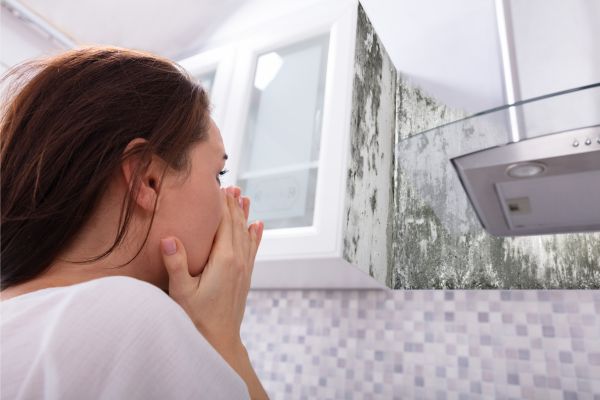
Musty odors are the most common sign. If you walk into your basement or a certain room and it smells like wet cardboard or earth, that’s mold. The smell comes from microbial volatile organic compounds (MVOCs) that mold releases as it grows.
Health symptoms are another indicator. If you or your family members are dealing with persistent allergies, sinus congestion, coughing, headaches, or fatigue that improves when you leave the house, mold exposure could be the cause. Kids, elderly family members, and anyone with asthma or a weakened immune system are especially vulnerable.
Visible signs matter too—discoloration on walls or ceilings, peeling paint, warped drywall, water stains. If you’ve had any kind of water damage in the past year, even if it was cleaned up, mold could be growing behind the surface. Durham’s humid climate makes it worse. Homes here deal with condensation issues, especially in basements and attics. If you’ve got any of these signs, testing gives you a clear answer instead of wondering.
Most inspections take between one and three hours, depending on the size of your home and how much testing is needed. A small single-family home with one area of concern might only take an hour. A larger home with a finished basement, attic, and multiple bathrooms could take closer to three.
The actual testing process isn’t complicated. We’re taking air samples, using thermal imaging to scan walls and ceilings, checking moisture levels, and inspecting high-risk areas like crawl spaces and HVAC systems. If there’s visible mold, we’ll take surface samples for lab analysis.
Lab results usually come back within three to five business days. Once we have the data, we’ll walk you through what we found and what it means. If remediation is needed, we’ll lay out a plan. If your air quality is fine, we’ll tell you that too. The goal is to give you clarity, not drag things out.
A mold inspection is a visual assessment. We walk through your home, look for signs of mold growth, check for water damage, and identify conditions that could lead to mold—high humidity, poor ventilation, leaks. It’s a thorough look at what’s happening in your home, but it doesn’t involve lab work.
Mold testing goes further. We collect air samples, surface samples, or both, and send them to a lab for analysis. The lab identifies the types of mold present and measures spore concentrations. That data tells you if you have a problem, how serious it is, and where it’s coming from.
Most professional mold inspections include some level of testing, especially if there’s visible growth or strong odors. In Durham, PA, where humidity and older homes create higher risk, testing is usually the smarter move. You’re not guessing. You’re getting real data that shows you exactly what’s in your air and whether it’s something you need to address.
It depends on what caused the mold. If mold growth resulted from a sudden, accidental event—like a burst pipe or a roof leak during a storm—your homeowners insurance might cover testing and remediation. But if the mold developed because of long-term neglect, poor maintenance, or ongoing moisture issues, most policies won’t cover it.
Pennsylvania insurance policies typically exclude mold damage caused by flooding or gradual water intrusion. You’ll need to check your specific policy and talk to your insurance agent. Some policies offer mold coverage as an add-on, but it’s not standard.
If you’re filing a claim, document everything. Take photos of the damage, keep records of any repairs, and get a professional mold inspection report. Insurance companies want proof that the mold was caused by a covered event, not something that’s been building up for months. Even if your claim gets denied, the testing report is still valuable—it tells you what you’re dealing with and gives you a clear path forward.
Other Services we provide in Durham